72-Hour Kits
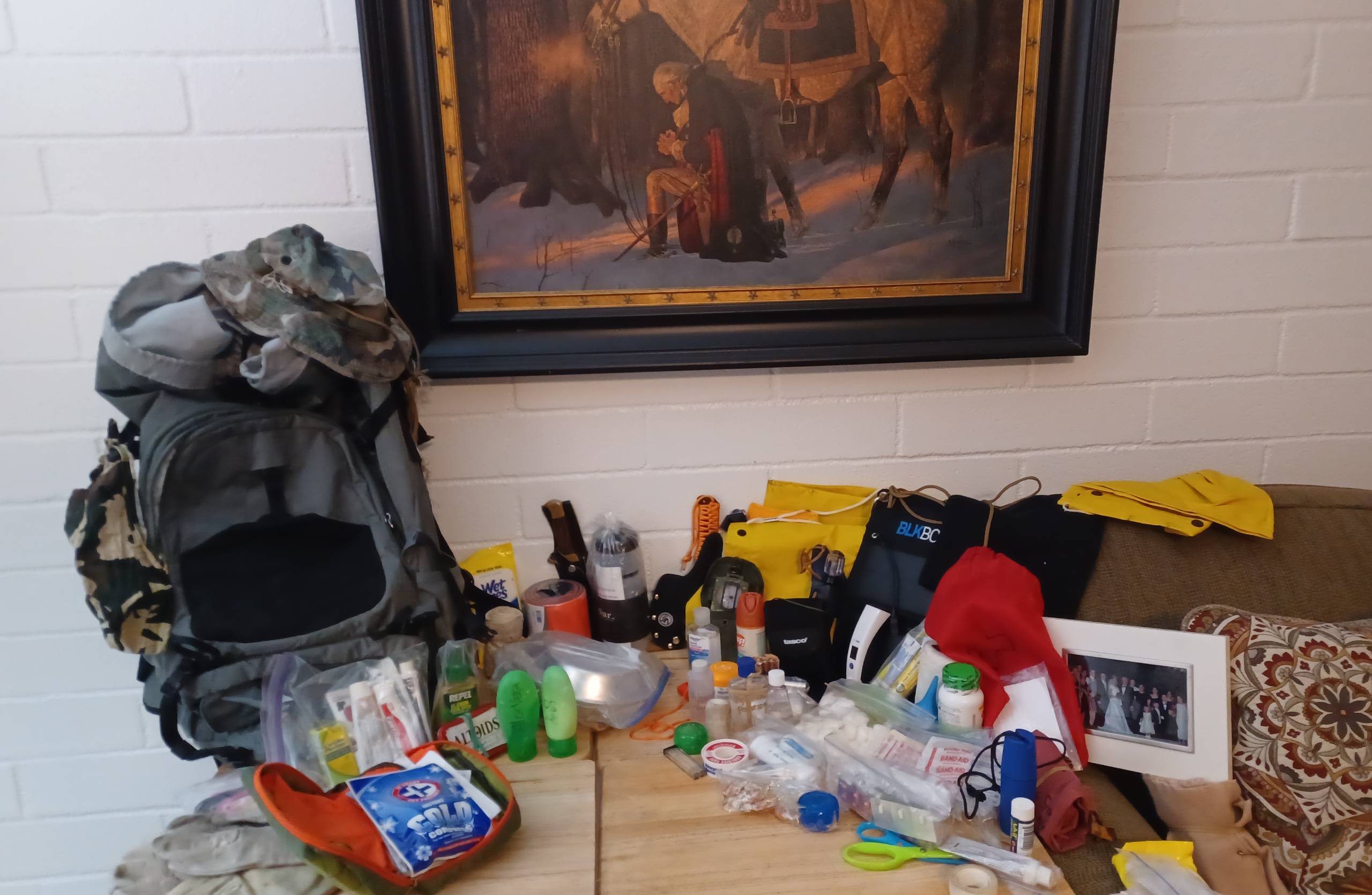
A ’72 hour kit’ suggested list is below
NOTE: There is no way anyone can get all of these items in the family back packs. In fact it may be difficult to even fit all of this in a car. These are only suggestions of items to consider. Make your own decisions of what you DO NOT need to put in your packs or directly into your car from this very extensive list.
A. Personal Hygiene
- Bath soap
- Chemical towelettes
- Comb or hair brush
- Contact lense solution
- Dental floss
- Deodorant or antiperspirant
- Ear plugs – for sleep or other
- Feminine hygiene
- Sanitary napkins or tampons (as needed)
- Other as needed
- Fingernail clippers
- Foot powder
- Insect repellant
- Hair spray or hair cream
- Lip balm
- Mirror
- Petrollium jelly
- Razor
- Shave cream
- Shampoo
- Skin lotion
- Sun screen toilet paper
- Tooth brush
- Tooth paste
- Towel
- Wash Cloth
B. Equipment
- Aluminum foil – 15 to 20 feet or more
- Ammunition
- Back pack
- Bright colored cloth
- Bunge cords
- Can opener
- Canteens at least 4 qts
- Chemical lights
- Compass
- Dish soap
- Knife (folding or sheath)
- Knife, fork, spoon for each person
- Fishing line & hooks
- Flash lights (w/extra bulbs & batteries)
- Games
- Gloves: Leather & cloth
- Laundry soap’
- Lubricating oil
- Maps (in case all cell phones do not work)
- Matches – water proof/strike anywhere
- Mess kits
- Nylon suspension line 200’ or more
- Pillow or equivalent
- Ponchos or poncho & ground cloth 2ea
- Radio, small weather band 2/batteries
- Rag, general purpose
- Reflective vest
- Rifle or handgun
- Rifle or hand gun cleaning kit
- Safety rope 15 – 20 ft
- Spiritual texts
- Scrub pad
- Sewing kit
- Sleeping pad
- Sleeping bag or blankets
- Sharpening stone
- Small tool kit
- Small roll or wire
- Snap link 2 ea.
- Stove (back packing)
- Survival book
- Survival blanket
- Survival match
- Survival saw
- Trash bags, large, several
- Whistle
- Zip lock bags – various sizes many
C. First Aid kit
- Ace bandage
- Adhesive tape
- Analgesic – aspirin, Tylenol etc.
- Anti-acid
- Antifungal ointment – etc
- Antiseptic
- Antibiotic ointment – Neosporin, etc
- Band aids
- Ear drops
- Eye drops
- Foot powder
- Gauze pads or a roll
- Hydrocortisone cream or ointment
- Hydrogen peroxide
- Mole skin – about one square foot
- Needle
- Personal medications
- Petroleum jelly
- Rope 100’ or longer
- Rubbing alcohol
- Small scissors thermometer
- Triangular bandage
- Tweezers
- Vitamins
- Water purification tablets
- Lot of masks
D. Clothing
- Belt
- Coat or warm jacket
- Hat (ski cap or brimmed hat depending on the season)
- Pants (loose enough to hike in)
- Shirt (loose)
- Shoes (to hike in)
- Socks ( 4-pair minimum)
E. To Have In Your Car
- Assorted tools
- Adjustable wrench (cresent)
- Electrical pliers
- Hack saw
- Hammer
- Screw driver, flat tip
- Screw driver, Phillips
- Vice grips pliers
- Ax
- Bow saw
- Bolt cutters
- Coleman fuel 2 gal
- Cooking grid
- Cots, folding (1 / family member)
- Dutch oven
- File
- Gas can
- Gas can spout
- Lantern, coleman
- Pliers – for dutch ovens
- Road flares
- Sharpening oil
- Sharpening stone
- Shovel
- Stove, coleman
- Tim snips
- Wash pans
F. Important Papers & Documents
- Passport
- Deeds
- Insurance policies
- Auto
- Life
- Mortgage
- List of debtors
- Wills
- Others as you may have
G. Things To Keep In Mind – Remember
- Keep in mind the season of the year as you plan clothes, food, sleeping gear
- Make family contingency plans for
- Disease
- Drought
- Wildfire
- Earthquake
- Extreme Temperatures
- Floods & flash Floods
- Severe storms or high winds
- Chemical spill due to truck accident or train derailment
- Human caused incident involving a mass shooting or terrorism
H. Consider These Questions
- How do we assemble the family afer a disaster
- What actions will be taken if:
- Mom or Dad cant’ be found within a reasonable time & what is a reasonable time
- What is the schools evacuation prodedure for your children after each type of disaster
- What will ou do to evacuate you family if you can’t take your car – will you back pasck 0 can you back pack
- Remember you will need to plan on 3000 – 5000 calories of complex carbohydrates daily per person to meet the physical demands of moving cross country on foot or helping clean up after a disaster/li>
I. A general guideline
A general guideline should be followed for assembling or putting together your kit & that is do the best you can with what you have now & work at constantly upgrading or improving it as you can remember their ar many way to use homemade equipment or inexpensive replacement items to keep your initial cost low.
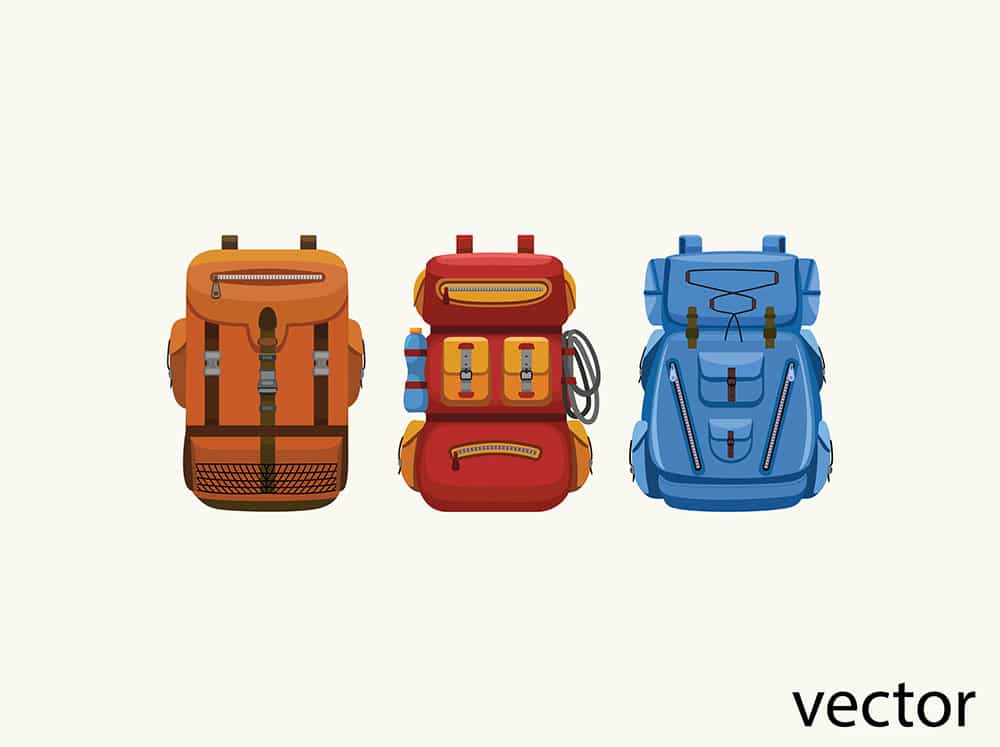
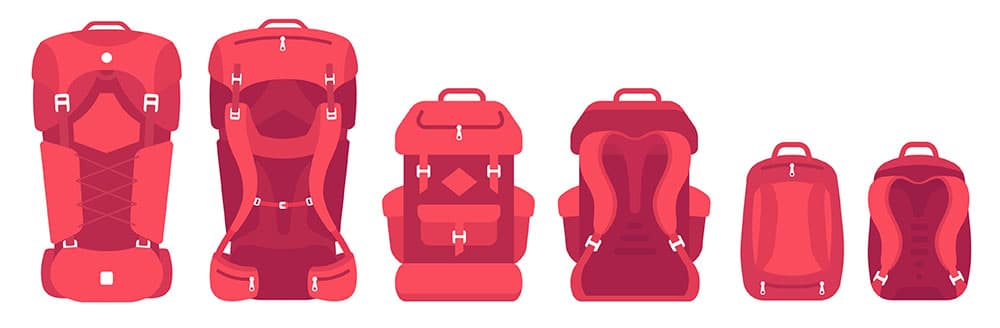
The size & type of back pack is varied
Many of the items not to be put directly into the car can be put in back packs only as big as each family member can carry for long distances in the event that hiking becomes necessary.
But every member of the family can carry something:
If the Pima County Office of Emergency Management recommends staying Home & hunkering down you might want to consider having some food stored at Home for a month or two duration: